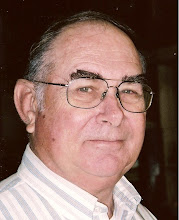
I checked in with Harris Methodist Hospital in Fort Worth. That is the doctors preferred operating location.
The people were very nice. I had first to check in with a clerk to see if the operation had been scheduled and that was an affirmative. She then took me across to yet another person to do the real check in. This was more correctly described as your rights and their money check in. That took about three electronic signatures one of which acknowledged my signature itself, HIPPA instructions on rights, etc. and then we got down to the money part. And of course, being retired military and on Social Security, there was no additional funds required. Otherwise the clerk was ready to collect money but I did not owe any. She then took me over to Pre Op Center.
Pre Op was the real nuts and bolts. Long questionnaires on whether I had been out of the country in the last month, all the drugs I take, history of operations I have had and a ton of instructions including a vial of special soap (really cleanser of some kind) to use prior to the operation at least twice. The instructions included not to take any drugs except bring one of them with me.
So when I start the final fast it is no nothing, not even my Diabetic drugs. That kind of bothered me but I guess I could last until the next day. No one knows how long maintenance drugs stay in your system anyway. That is why no Aspirin or NSAIDs a week before surgery. Those along with Fish Oils are blood thinners and they do not want to deal with thin blood. My blood now days is thin enough to probably give them fits but that is life.
Finally I was handed over to a Medical Technician to draw blood and do an EKG. I thought the EKG was odd since I already had clearance from my Cardiologist and had had a Nuclear Stress test about a month ago and a visit with the Cardiologist. But no matter, it was done and I got my parking ticket validated.
It is a huge hospital complex, like six or sever high rise towers interconnected with a maze of hallways, the parking garage alone is seven stories by itself. And there is yet another parking lot for heart patients (one floor for them) and a third parking lot for the Emergency Care Center (Judie had processed through that one for her second go round back operation a couple of years ago). It is a giant complex covering four or five city blocks and all kinds of other ancillary places like Cancer Centers, doctors offices, X-ray and MRI facilities and laboratories out the gazoo. It makes Lady of the Lake in Baton Rouge look tiny in comparison. There is even a wing named after Ben Hogan, a famous professional golfer from years back and of course he was a Fort Worth native.
I have already been in and out of several of those facilities with Judie as well as Harris Methodist Hospital itself.
I was told I would be in for one night but advised if I thought I needed to stay longer I could do that (at what astronomical cost I have no idea). So should be prepared for one night stay and discharge the next day. Bring fresh undies, etc.
Not at all like the old days, check in at one place, and get the job done. More people, more contentions law suits, more exotic diseases, and more government requirements has over laid the process with tons of bureaucracy. Unending forms, paper work and computer entries all before we get down to the cutting.
Friday, September 7, 2018

Friday, August 31, 2018
Post Stress Follow up . . .
More Meh. The Cardiologist said keep on doing what you have been doing. Everything looks about the same. A shadow in the back of the heart and the scribe read back the results of a 2015 CTA where there is some blockage in the LAN area. Still not enough to change anything.
Blood pressure was good. So he was happy. Ran me out of the office. Schedule another visit six months from now. So I will see him next March just a few days before my birthday.
I wonder if he will have me do another stress test.
I asked why there was no treadmill, just the chemical stress test. He said he did not know why. But I surmised it was good enough for him and a lot less stressful to me.
So I will be keeping on keeping on.
Blood pressure was good. So he was happy. Ran me out of the office. Schedule another visit six months from now. So I will see him next March just a few days before my birthday.
I wonder if he will have me do another stress test.
I asked why there was no treadmill, just the chemical stress test. He said he did not know why. But I surmised it was good enough for him and a lot less stressful to me.
So I will be keeping on keeping on.
Monday, August 20, 2018
Stress Test - Meh . . .
I had another stress test today, a nuclear stress test. I expected to trot on the treadmill, etc.
Nope none of that. I had an IV inserted in right hand. Then the shot me up with stuff and followed that with a saline shot to clean out the IV (or so I was told). Then I was covered with sensors on my chest. I did not have to put on a gown as I was prepared to trot and was in a T shirt and shorts.
After that I was "scanned." I am supposing it is something akin to a CAT scan. Then I was run out of the scan room to the lobby and told to drink a cup of water. I am sure the water was to add to the blood supply or something like that. To make the solution to flow around the system easier. Of course, I really do not know why.
After a wait was ushered into the treadmill room and told to sit in the big chair. They then took my Blood Pressure and shot me up with something new. And then a second shot was administered. That was the stressor. The nurse said I would feel weak, shortness of breath, etc. and that would go away in a minute or two. I had no particular sensation at all.
While the stressor was going on they were taking an EKG. She took my Blood Pressure again and entered that data into the machine.
Then I was run out again to the lobby and told to drink a cup of coffee or drink a Coke, something with caffeine in it. So I had a cup of coffee. I also ate a packet of crackers and peanut butter. After about 15 minutes it was back into the scan room.
After the scan it was out the door with an appointment to see the Cardiologist later. I am sure the data has to be absorbed and scrubbed and then the prognosis has to be drawn up. There were would be a report of sorts, I would get a copy and my primary physician would get a copy.
If something shows up I am sure the alarm bells will go off and some procedure would be done. I think I am in good shape so I figure nothing will show up. Just a nice conversation with the Cardiologist.
Nope none of that. I had an IV inserted in right hand. Then the shot me up with stuff and followed that with a saline shot to clean out the IV (or so I was told). Then I was covered with sensors on my chest. I did not have to put on a gown as I was prepared to trot and was in a T shirt and shorts.
After that I was "scanned." I am supposing it is something akin to a CAT scan. Then I was run out of the scan room to the lobby and told to drink a cup of water. I am sure the water was to add to the blood supply or something like that. To make the solution to flow around the system easier. Of course, I really do not know why.
After a wait was ushered into the treadmill room and told to sit in the big chair. They then took my Blood Pressure and shot me up with something new. And then a second shot was administered. That was the stressor. The nurse said I would feel weak, shortness of breath, etc. and that would go away in a minute or two. I had no particular sensation at all.
While the stressor was going on they were taking an EKG. She took my Blood Pressure again and entered that data into the machine.
Then I was run out again to the lobby and told to drink a cup of coffee or drink a Coke, something with caffeine in it. So I had a cup of coffee. I also ate a packet of crackers and peanut butter. After about 15 minutes it was back into the scan room.
After the scan it was out the door with an appointment to see the Cardiologist later. I am sure the data has to be absorbed and scrubbed and then the prognosis has to be drawn up. There were would be a report of sorts, I would get a copy and my primary physician would get a copy.
If something shows up I am sure the alarm bells will go off and some procedure would be done. I think I am in good shape so I figure nothing will show up. Just a nice conversation with the Cardiologist.
Sunday, August 19, 2018
Left Shoulder . . .
My left shoulder was giving me fits, a great deal of pain. At first I would take a Naproxen Sodium pill (Aleve) that kinda made it livable. Then my personal doctor said no NSAIDs other than your baby aspirin. Finally, she relented and said do not take more than four a day.
She had an X-ray done and referred me to a Orthopedic Surgeon and also had an MRI done.
I made to the Orthopedic Surgeon. He looked at my MRI (and I do mean my MRI, it is in my possession). He lifted me arm and moved about a little bit and said, "You need a shoulder replacement, you are bone on bone at the moment." He also gave me Cortisone shot and said that it would not do much for me.
And the shot did not do much for me. He then referred me to another Orthopedic Surgeon who does shoulder operations.
I got to see the second doctor, found out he went to LSU med school. And that he was indeed from New Orleans. He was a much younger man that the first Orthopedic Surgeon (who informed me he no longer did operations). And he also said the new doctor was the best one in the Fort Worth region.
I was impressed with the second doctor. Like the first doctor, he said bone on bone and no relief until the joint was replaced. He also said I may not recover all my range of motion but I would get pain relief. It is my left shoulder, not my primary use arm so yes, I can tolerate a good bit of loss of range of motion and not worry about. He said often the range improves with time.
He showed me on the joint displayed on his lap top computer what we were going to do. Basically, it is a total replacement of the rotator cuff with a new synthetic/plastic material that will not wear out. I will not have to come and get a grease job every so often, it is once and done. The big recovery he said was the reattachment of ligament that had to be removed for the operation. That and stitches were the big issue. And there would be some soreness for a while.
He was intent upon selling me to do the operation. I said I was ready right now to have it done. Pain relief was paramount to me.
He said recovery is about six weeks. I am sure in that time is some rehab also. But that I would get paid relief immediately. And I could quit taking Aleve or getting Cortisone shots.
My biggest issue is getting the grass cut while I am recuperating. I am pretty sure I can survive that. I do have to get clearance from my Cardiologist but I get to see in just a couple of days for a Nuclear Stress Test. So that is easy. Now it is just a matter of getting the operation scheduled.
She had an X-ray done and referred me to a Orthopedic Surgeon and also had an MRI done.
I made to the Orthopedic Surgeon. He looked at my MRI (and I do mean my MRI, it is in my possession). He lifted me arm and moved about a little bit and said, "You need a shoulder replacement, you are bone on bone at the moment." He also gave me Cortisone shot and said that it would not do much for me.
And the shot did not do much for me. He then referred me to another Orthopedic Surgeon who does shoulder operations.
I got to see the second doctor, found out he went to LSU med school. And that he was indeed from New Orleans. He was a much younger man that the first Orthopedic Surgeon (who informed me he no longer did operations). And he also said the new doctor was the best one in the Fort Worth region.
I was impressed with the second doctor. Like the first doctor, he said bone on bone and no relief until the joint was replaced. He also said I may not recover all my range of motion but I would get pain relief. It is my left shoulder, not my primary use arm so yes, I can tolerate a good bit of loss of range of motion and not worry about. He said often the range improves with time.
He showed me on the joint displayed on his lap top computer what we were going to do. Basically, it is a total replacement of the rotator cuff with a new synthetic/plastic material that will not wear out. I will not have to come and get a grease job every so often, it is once and done. The big recovery he said was the reattachment of ligament that had to be removed for the operation. That and stitches were the big issue. And there would be some soreness for a while.
He was intent upon selling me to do the operation. I said I was ready right now to have it done. Pain relief was paramount to me.
He said recovery is about six weeks. I am sure in that time is some rehab also. But that I would get paid relief immediately. And I could quit taking Aleve or getting Cortisone shots.
My biggest issue is getting the grass cut while I am recuperating. I am pretty sure I can survive that. I do have to get clearance from my Cardiologist but I get to see in just a couple of days for a Nuclear Stress Test. So that is easy. Now it is just a matter of getting the operation scheduled.
Saturday, August 11, 2018
Oncologist . . .
A while back while at my Cardiologist I commented about the bruise blotches on my arms and the easy bleeding I have been experiencing from my lower arms. So my Cardiologist referred me to the Oncologist to do a platelet study of sorts.
Well I had the appointment with the Oncologist and the first thing she said was, "You are old and have had a life time of sun exposure and your skin is reflecting that experience. The splotches or bruises are perfectly normal of a person of your age." In other words, you do not have a problem with your skin.
But her expertise was in Hematology - blood. So she had me bled, that is did a series of blood tests one of which one was platelet oriented. And one of the tests could only be read at their big lab in downtown Fort Worth. So the tech said go to this address, I will forward the request and they will do all the blood work. So I charged off to Fort Worth medical district and to their lab/central office for the Oncology Group. I found the place easily and parked.
Up to the second floor I went and at the desk, the attendant said, "Yes, we got the request. Have a seat and we will call you for the blood drawing." That took about 20 minutes. I saw at least five of six people go into the area where they were doing the blood drawing. And in I went and they took four vials of blood out of me. Sort of a continuing operation.
I had a follow up appointment with the Oncologist and got the results. She said you are "extraordinarily normal." There were no platelet issues to worry about. She smiled and said, "Out you go, no need for further testing."
So I trooped out to the front desk and they did something I thought was strange. They took a picture of me. The clerk alleged it was done to be able to remember who I was. I am sure they do that to all their patients that go into remission except I did not have any remission to worry about. I had no signs of cancer.
That is a big thing with me. My father and my grandmother both died of breast cancer. My father alone had four different bouts with cancer. In his middle ages he had skin cancer on his lip and on his cheek, both were treated with radiation. He had smoked but only cigars and a pipe. He of course quite smoking.
Many years later he had the bain of all men, Prostate cancer. That was taken care off and he had no more problems in that area. Then in his mid 70's he developed a sore on his left arm and examination confirmed it was Melanoma. Of course this is his third go round with cancer and second time with Melanoma. They dug out all the cancer cells in that area and remove a couple of lymph nodes which were negative. That incision healed, big scar but healed over.
Later when he was 80 they doctor repaired a hernia, hiatal hernia, common in older men. But while examining him, found a lump in his breast. That lump turned out to be breast cancer. And he had a radial mastectomy removing his breast.
Some years later he complained of not having enough energy to complete a round of golf even though he used an electric golf cart in his play. The doctor did a biopsy on his arm thinking he may have bone cancer. That turned out to be negative but they discover cancer cells going in to do the biopsy. They were breast cancer cells. The diagnosis was terminal breast cancer. He passed away seven or eight months later.
The scary part is that the lower Mississippi River Valley from Natchez to the Gulf of Mexico has the highest incidence of cancer in the US. It is common in that area. I am sure of two things, the first is all the exercise I did in the military and later in my life forestalled any serious heart disease. Yes, I have heart disease probably part hereditary and probably part exposure to Agent Orange in Viet Nam. But all the exercise kept in good shape. The other is that after the age of 21 years I moved away from Louisiana and the Mississippi Valley. At first it was only to Alexandria, LA but I was really there for less than a year, the other time spent in Viet Nam. After that I was Germany, then Virginia, Korea, California, Ohio, back to Germany and finally I retired in California. After I retired, it was California, New Mexico and Texas. All I have done since then is visit Louisiana briefly.
So I was confident I would not show up in this recent span of time with cancer and I am well beyond when my father started having cancer issues. I guess there is something good about left home on career jaunts well away from the source what ever it is. And I have been all over Europe, Asia and Africa. But no cancer as of now, 78 years of age.
Ultimately it is healthy living and exercising that has protected me so far. Yes, diet changes, better medicine and host of scientific improvements have all helped. But no cancer - hooray!
Well I had the appointment with the Oncologist and the first thing she said was, "You are old and have had a life time of sun exposure and your skin is reflecting that experience. The splotches or bruises are perfectly normal of a person of your age." In other words, you do not have a problem with your skin.
But her expertise was in Hematology - blood. So she had me bled, that is did a series of blood tests one of which one was platelet oriented. And one of the tests could only be read at their big lab in downtown Fort Worth. So the tech said go to this address, I will forward the request and they will do all the blood work. So I charged off to Fort Worth medical district and to their lab/central office for the Oncology Group. I found the place easily and parked.
Up to the second floor I went and at the desk, the attendant said, "Yes, we got the request. Have a seat and we will call you for the blood drawing." That took about 20 minutes. I saw at least five of six people go into the area where they were doing the blood drawing. And in I went and they took four vials of blood out of me. Sort of a continuing operation.
I had a follow up appointment with the Oncologist and got the results. She said you are "extraordinarily normal." There were no platelet issues to worry about. She smiled and said, "Out you go, no need for further testing."
So I trooped out to the front desk and they did something I thought was strange. They took a picture of me. The clerk alleged it was done to be able to remember who I was. I am sure they do that to all their patients that go into remission except I did not have any remission to worry about. I had no signs of cancer.
That is a big thing with me. My father and my grandmother both died of breast cancer. My father alone had four different bouts with cancer. In his middle ages he had skin cancer on his lip and on his cheek, both were treated with radiation. He had smoked but only cigars and a pipe. He of course quite smoking.
Many years later he had the bain of all men, Prostate cancer. That was taken care off and he had no more problems in that area. Then in his mid 70's he developed a sore on his left arm and examination confirmed it was Melanoma. Of course this is his third go round with cancer and second time with Melanoma. They dug out all the cancer cells in that area and remove a couple of lymph nodes which were negative. That incision healed, big scar but healed over.
Later when he was 80 they doctor repaired a hernia, hiatal hernia, common in older men. But while examining him, found a lump in his breast. That lump turned out to be breast cancer. And he had a radial mastectomy removing his breast.
Some years later he complained of not having enough energy to complete a round of golf even though he used an electric golf cart in his play. The doctor did a biopsy on his arm thinking he may have bone cancer. That turned out to be negative but they discover cancer cells going in to do the biopsy. They were breast cancer cells. The diagnosis was terminal breast cancer. He passed away seven or eight months later.
The scary part is that the lower Mississippi River Valley from Natchez to the Gulf of Mexico has the highest incidence of cancer in the US. It is common in that area. I am sure of two things, the first is all the exercise I did in the military and later in my life forestalled any serious heart disease. Yes, I have heart disease probably part hereditary and probably part exposure to Agent Orange in Viet Nam. But all the exercise kept in good shape. The other is that after the age of 21 years I moved away from Louisiana and the Mississippi Valley. At first it was only to Alexandria, LA but I was really there for less than a year, the other time spent in Viet Nam. After that I was Germany, then Virginia, Korea, California, Ohio, back to Germany and finally I retired in California. After I retired, it was California, New Mexico and Texas. All I have done since then is visit Louisiana briefly.
So I was confident I would not show up in this recent span of time with cancer and I am well beyond when my father started having cancer issues. I guess there is something good about left home on career jaunts well away from the source what ever it is. And I have been all over Europe, Asia and Africa. But no cancer as of now, 78 years of age.
Ultimately it is healthy living and exercising that has protected me so far. Yes, diet changes, better medicine and host of scientific improvements have all helped. But no cancer - hooray!
Tuesday, July 31, 2018
The Fan . . .
We are going through a really hot spell here in East Texas. Always on the edge of a semi arid climate we depend on irrigation wells to keep our lawns green and air conditioning to stay cool. But in the garage where I spend some time there is not air conditioned, just a fan or two.
A few years ago, well maybe more than a few years, I bought a killer floor fan. It is a high velocity fan about 15 or 16 inches in diameter. It could move a lot of air and I positioned it near the door so it could suck in the cooler air and cool of the garage. It did a very creditable job but then age caught up with it.
When starting up it would squawk and squeal like it had a bad bearing. But it would run. Then it started just stopping and maybe restarting later when it cooled off. I took the switch assembly apart but all the parts were okay and there was no burnt or charred items so I knew it was functioning like it should. So I figured the bearings had gone bad.
So while considering getting a new fan and tossing this one I decided to take it apart. I took the blade guard off and was able to the three blade fan off of the shaft. Not problem, it was held in place by a set screw and that was easy to get off.
The I attacked the fan motor case. It had a series of nuts and bolts around it that held the two part case and the rear fan guard in place. That was easy enough. But splitting the case was a bit more of a challenge. I was able to get it about a quarter of an inch apart, not near enough to do anything. I did not want to break or bend the case just in case I could really fix it.
After a bit of working it back and forth I got the front case off, or at least the front half of the case off. The outer electrical winding was firmly held in place by the rear half of the case. I found both the front and rear of the rotor held in place by a simple sleeve type bearings. I got the rotor off and it was in good shape. And the motor did not have brushes so that was not the problem.
I got the rotor out of the rear mount, not a ball bearing but a sleeve bearing was used in the front and rear to support the rotor. I thought maybe the shaft was galled up or the like and that was not the case. I got the rotor out and the shaft was just fine. I looked and in the rear bearing support I saw a piece of thin rear thrust washer. It had broken into two parts. I was able to fish out the bigger piece and I discarded that altogether. I figure since the fan is constantly pulling forward a rear thrust washer was of no importance. That is the shaft will be always pulling forward and thus it was just really a thin spacer.
I got my tube of trusty silicon grease that I have had for years and with a screw driver took a dab and place it in the rear support housing. Since there was not galling and apparently what grease was in there had long ago disappeared, this new stuff would work for me. I then place a dab of the grease in the front sleeve bearing. I smeared a little on both ends of the shaft. I noted that there were two or three front thrust washers and left them alone. That tube was acquired about 20 years ago to use on a dot matrix printer shaft for lubrication. I have used the grease on my models, etc. However, I got that tube of grease from Radio Shak which is not longer in existence.
I reassembled the rotor shaft and fan motor housing to the rear fan guard. I then replaced the fan blades and put the front fan blade guard back in place. Got it all screwed back together, guard in place and plug in the power. Then I turn it on. wha-la, the started right up and ran at its old top speed again. I had saved the cost of a new fan and this would continue to run for a while yet.
Sometimes it is worth while to take things apart and see if you can fix them.
A few years ago, well maybe more than a few years, I bought a killer floor fan. It is a high velocity fan about 15 or 16 inches in diameter. It could move a lot of air and I positioned it near the door so it could suck in the cooler air and cool of the garage. It did a very creditable job but then age caught up with it.
When starting up it would squawk and squeal like it had a bad bearing. But it would run. Then it started just stopping and maybe restarting later when it cooled off. I took the switch assembly apart but all the parts were okay and there was no burnt or charred items so I knew it was functioning like it should. So I figured the bearings had gone bad.
So while considering getting a new fan and tossing this one I decided to take it apart. I took the blade guard off and was able to the three blade fan off of the shaft. Not problem, it was held in place by a set screw and that was easy to get off.
The I attacked the fan motor case. It had a series of nuts and bolts around it that held the two part case and the rear fan guard in place. That was easy enough. But splitting the case was a bit more of a challenge. I was able to get it about a quarter of an inch apart, not near enough to do anything. I did not want to break or bend the case just in case I could really fix it.
After a bit of working it back and forth I got the front case off, or at least the front half of the case off. The outer electrical winding was firmly held in place by the rear half of the case. I found both the front and rear of the rotor held in place by a simple sleeve type bearings. I got the rotor off and it was in good shape. And the motor did not have brushes so that was not the problem.
I got the rotor out of the rear mount, not a ball bearing but a sleeve bearing was used in the front and rear to support the rotor. I thought maybe the shaft was galled up or the like and that was not the case. I got the rotor out and the shaft was just fine. I looked and in the rear bearing support I saw a piece of thin rear thrust washer. It had broken into two parts. I was able to fish out the bigger piece and I discarded that altogether. I figure since the fan is constantly pulling forward a rear thrust washer was of no importance. That is the shaft will be always pulling forward and thus it was just really a thin spacer.
I got my tube of trusty silicon grease that I have had for years and with a screw driver took a dab and place it in the rear support housing. Since there was not galling and apparently what grease was in there had long ago disappeared, this new stuff would work for me. I then place a dab of the grease in the front sleeve bearing. I smeared a little on both ends of the shaft. I noted that there were two or three front thrust washers and left them alone. That tube was acquired about 20 years ago to use on a dot matrix printer shaft for lubrication. I have used the grease on my models, etc. However, I got that tube of grease from Radio Shak which is not longer in existence.
I reassembled the rotor shaft and fan motor housing to the rear fan guard. I then replaced the fan blades and put the front fan blade guard back in place. Got it all screwed back together, guard in place and plug in the power. Then I turn it on. wha-la, the started right up and ran at its old top speed again. I had saved the cost of a new fan and this would continue to run for a while yet.
Sometimes it is worth while to take things apart and see if you can fix them.
Sunday, July 22, 2018
Drat, That Irrigation System . . .
After having spent a ton of money getting both the well pump being lowered (an additional forty feet) and a new pump, I am experiencing control valve problems. The old pump was simply worn out, they usually last 8 or 9 years but this one lasted 16 years, not bad at all.
Most of my control valves are "Dirty Water" valves, that is they can tolerate the amount of sand in the water. The sand is very, very fine to the extent when you taste the water it is sort of grity. In normal valves designed to be used with city water systems, there is not such debris, it has all be filtered out. And you can get a sand separator installed but they must be back flushed occasionally and do develop rust holes in the sides.
We had a separator, got it welded up once and there after removed it and threw it away whe it developed another hole. I replaced most of my control valves with the dirty water valves. But there are a few of the clean water valves still in use.
And one of them acted up. They get stuck open, run and run and run until the well is over drawn. The up side is the area gets well watered, the down side is nothing else gets watered as the well is not capable to supply more than one irrigation circuit at a time (only so many gallons of water per hour). Luckily for us, this valve was the last one in the series, that is it was the last one to run last night. So the other 9 did their job.
So I had to take it down, clean it out and reassemble it. I was able to get farther down into the valve this time, cleaned out the old sand with an old tooth brush and running water. I got it reassembled, bled the air out and once that was done the valve worked like it was supposed to do. It shut down and stayed shut down. When they get curded up with sand, they tend to stay open or on.
The valves are not complicated, a diaphragm, spring, and solenoid. But are indeed sensitive to grit (aka fine sand). This time when I reassembled the valve I added a little grease to the assembly. I know that the lubrication will wash out pretty quickly but it will get the valve functioning correctly for a while.
We are going through a terrific heat wave and the grass is suffering from lack of water. Our yard stays green because we can water it. If we were to use city water which we do inside the house it would cost three or four hundred dollars a month to irrigate. That allows us to amortize the well in about a year and half. Our well when first installed cost about $5,000 to drill, get the pump, pressure tank and hook it up to the existing irrigation system. Today that cost over $10,000.
The well has been in use for 16 years now. And of course is showing its age (a new pump for instance, they do wear out) and me cleaning out control valves and sprinkler filters. The sprinklers are easy to deal with but you have examine them every once in a while to make sure they are working correctly. Usually a brown spot shows up and one needs to take the sprinkler head off and usually the little nylon plastic screen is full of debris. Wash the sand/dirt and/or debris out and reassemble and the sprinkler works just fine. Lawn mowers and weed eaters can also do a number on exposed sprinklers.
So it is constant maintenance. I am adept at it having had two previous sprinkler systems. It is just one of those things.
Most of my control valves are "Dirty Water" valves, that is they can tolerate the amount of sand in the water. The sand is very, very fine to the extent when you taste the water it is sort of grity. In normal valves designed to be used with city water systems, there is not such debris, it has all be filtered out. And you can get a sand separator installed but they must be back flushed occasionally and do develop rust holes in the sides.
We had a separator, got it welded up once and there after removed it and threw it away whe it developed another hole. I replaced most of my control valves with the dirty water valves. But there are a few of the clean water valves still in use.
And one of them acted up. They get stuck open, run and run and run until the well is over drawn. The up side is the area gets well watered, the down side is nothing else gets watered as the well is not capable to supply more than one irrigation circuit at a time (only so many gallons of water per hour). Luckily for us, this valve was the last one in the series, that is it was the last one to run last night. So the other 9 did their job.
So I had to take it down, clean it out and reassemble it. I was able to get farther down into the valve this time, cleaned out the old sand with an old tooth brush and running water. I got it reassembled, bled the air out and once that was done the valve worked like it was supposed to do. It shut down and stayed shut down. When they get curded up with sand, they tend to stay open or on.
The valves are not complicated, a diaphragm, spring, and solenoid. But are indeed sensitive to grit (aka fine sand). This time when I reassembled the valve I added a little grease to the assembly. I know that the lubrication will wash out pretty quickly but it will get the valve functioning correctly for a while.
We are going through a terrific heat wave and the grass is suffering from lack of water. Our yard stays green because we can water it. If we were to use city water which we do inside the house it would cost three or four hundred dollars a month to irrigate. That allows us to amortize the well in about a year and half. Our well when first installed cost about $5,000 to drill, get the pump, pressure tank and hook it up to the existing irrigation system. Today that cost over $10,000.
The well has been in use for 16 years now. And of course is showing its age (a new pump for instance, they do wear out) and me cleaning out control valves and sprinkler filters. The sprinklers are easy to deal with but you have examine them every once in a while to make sure they are working correctly. Usually a brown spot shows up and one needs to take the sprinkler head off and usually the little nylon plastic screen is full of debris. Wash the sand/dirt and/or debris out and reassemble and the sprinkler works just fine. Lawn mowers and weed eaters can also do a number on exposed sprinklers.
So it is constant maintenance. I am adept at it having had two previous sprinkler systems. It is just one of those things.
Subscribe to:
Posts (Atom)